Tech Stack
Overview
Mimic Mock API is a full-stack, self-hosted mock API platform designed for internal testing and development teams. It eliminates backend dependencies during frontend development, API testing, and integration testing phases.
The platform provides a complete solution with a FastAPI backend (Python 3.12) and Vue 3 frontend (TypeScript), all containerized with Docker for seamless deployment. The hot-reload capability enables rapid iteration during development.
Key features include dynamic mock endpoint creation, customizable response delays, status codes, and JSON response bodies. The Docker-first architecture ensures the tool is easily portable and scalable across different development environments.
The project is actively maintained and open-source, welcoming contributions from the developer community. It serves as a practical tool for teams needing to simulate API responses in controlled testing environments.
Key Achievements
- Full-stack mock API platform with FastAPI backend and Vue 3 frontend
- Docker-first architecture with hot-reload for rapid development
- Dynamic endpoint management with customizable responses and delays
- RESTful API design with comprehensive OpenAPI documentation
- TypeScript support for type-safe frontend development
- Vite-powered frontend with instant HMR and optimized builds
- JSON-backed data persistence for mock configurations
- Multi-environment support (Dev, Staging, Production)
- Open-source and actively maintained on GitHub
Project Highlights
Backend Architecture (FastAPI)
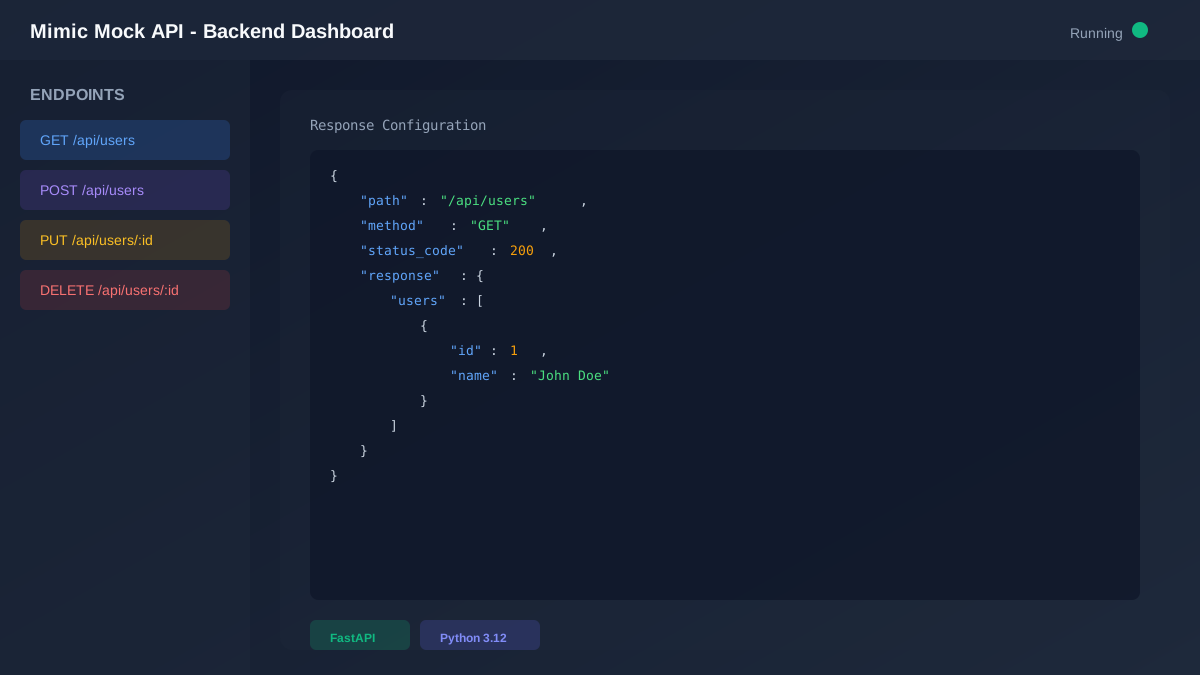
Built a robust FastAPI backend with Python 3.12, featuring dynamic mock endpoint management, JSON-backed storage, and hot-reload development support with Uvicorn. The backend exposes RESTful APIs for creating, reading, updating, and deleting mock endpoints with customizable responses.
Frontend Interface (Vue 3 + TypeScript)
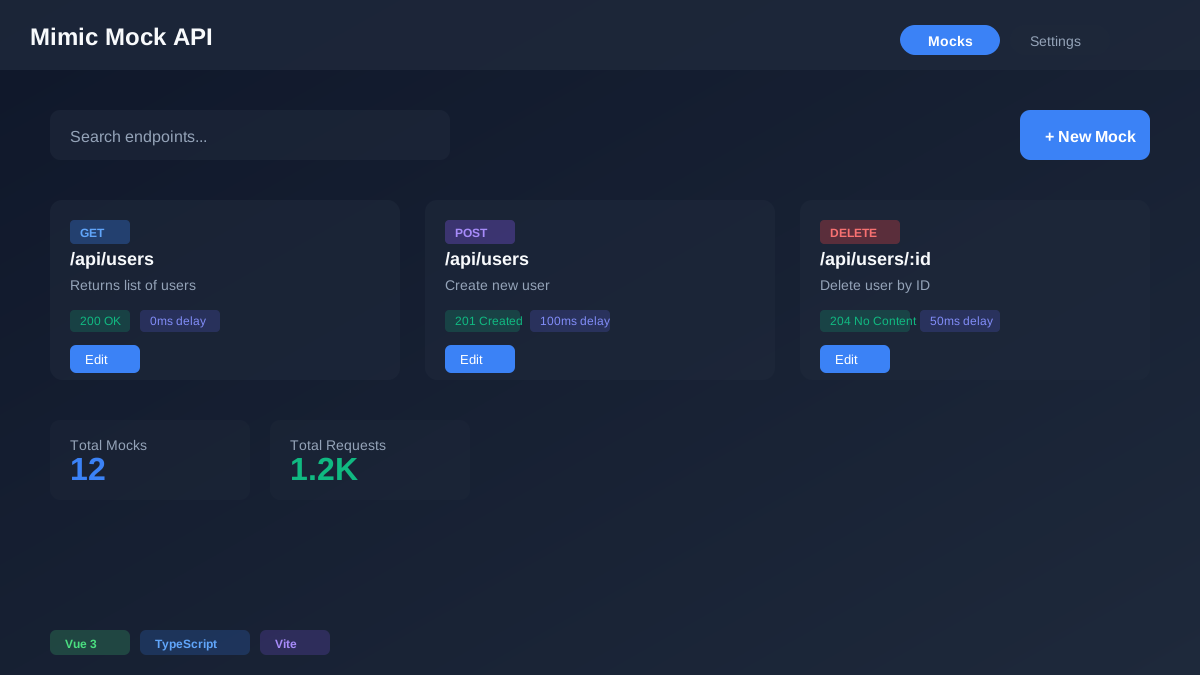
Developed a modern, responsive UI using Vue 3 with TypeScript, Vite for instant HMR, and a clean component architecture for managing mock APIs visually. The interface provides an intuitive way to manage endpoints, configure responses, and monitor request statistics.
Docker Infrastructure
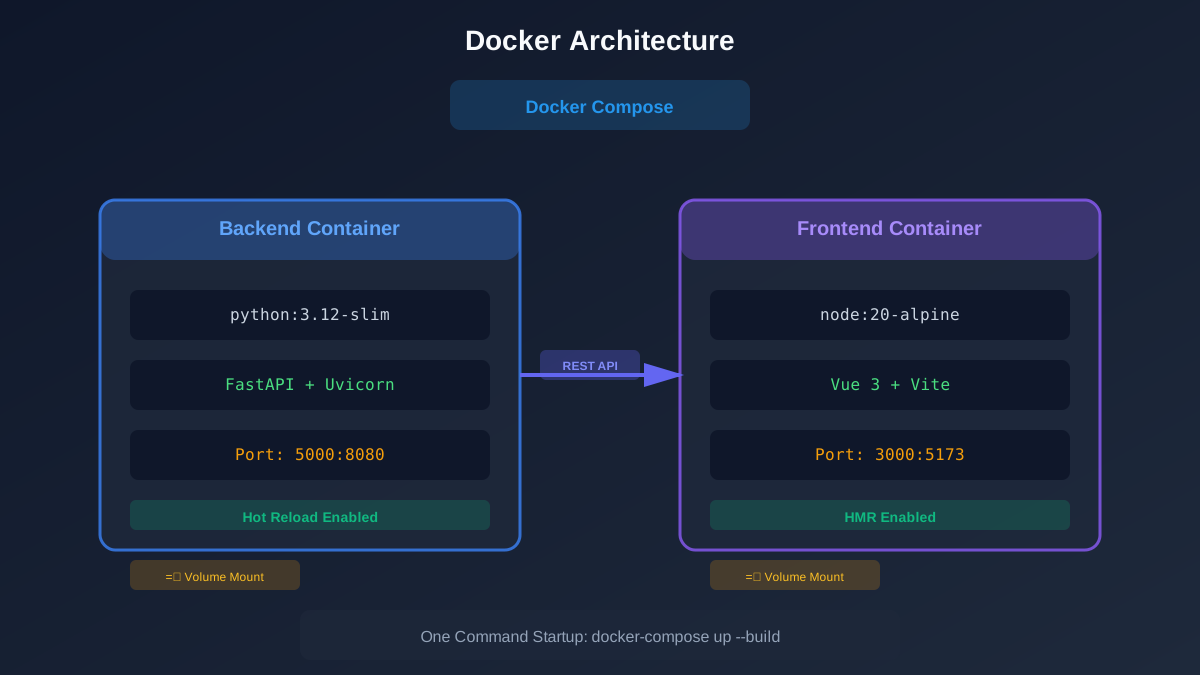
Implemented a Docker-first development approach with multi-container orchestration using Docker Compose. The architecture ensures portability across all development environments with automatic dependency installation, volume mounting for hot-reload, and isolated networking between services.